
Frozen Pipes and HVAC: How to Protect Your Home in Subzero Temps
When temperatures plunge below zero, your home faces risks that go far beyond discomfort. Subzero weather puts extreme strain on both plumbing and HVAC systems, and when one fails, the other is often not far behind. At Sal’s Heating and Cooling, we see firsthand how quickly frozen pipes, furnace failures, and water damage can turn a cold snap into a costly emergency. The good news is that with the right preparation and timely action, many winter disasters are completely preventable.
Why Subzero Temperatures Are So Dangerous for Homes
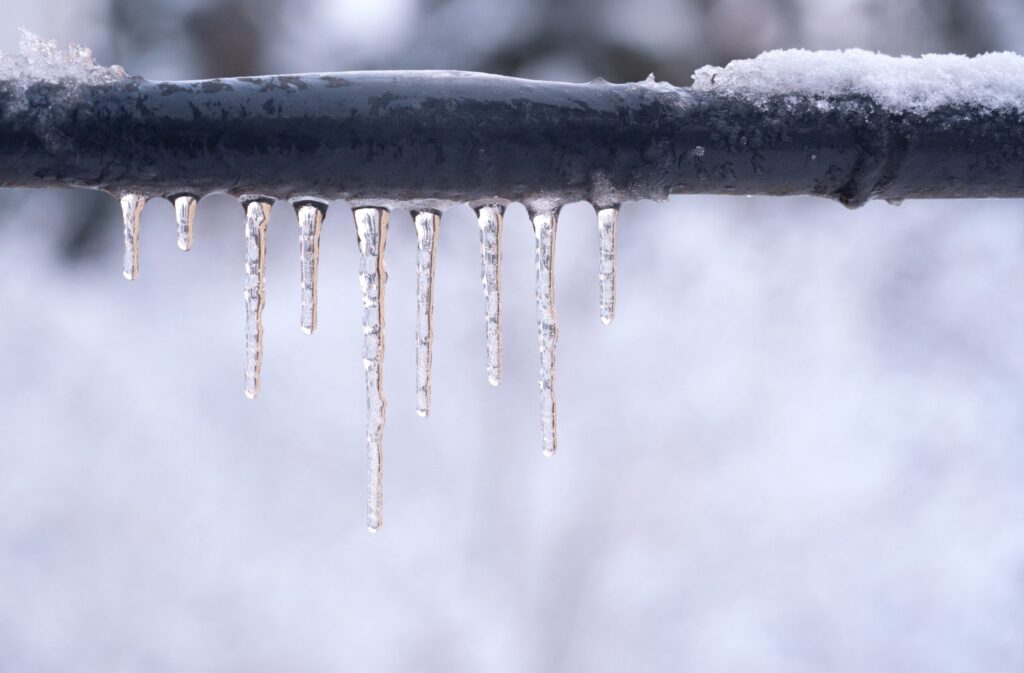
Subzero temperatures create a perfect storm for home systems. Water expands as it freezes, which puts intense pressure on pipes from the inside. Even durable materials like copper or PEX can crack or burst when ice forms and has nowhere to go. What makes frozen pipes especially dangerous is that damage often occurs out of sight, inside walls, ceilings, or crawl spaces.
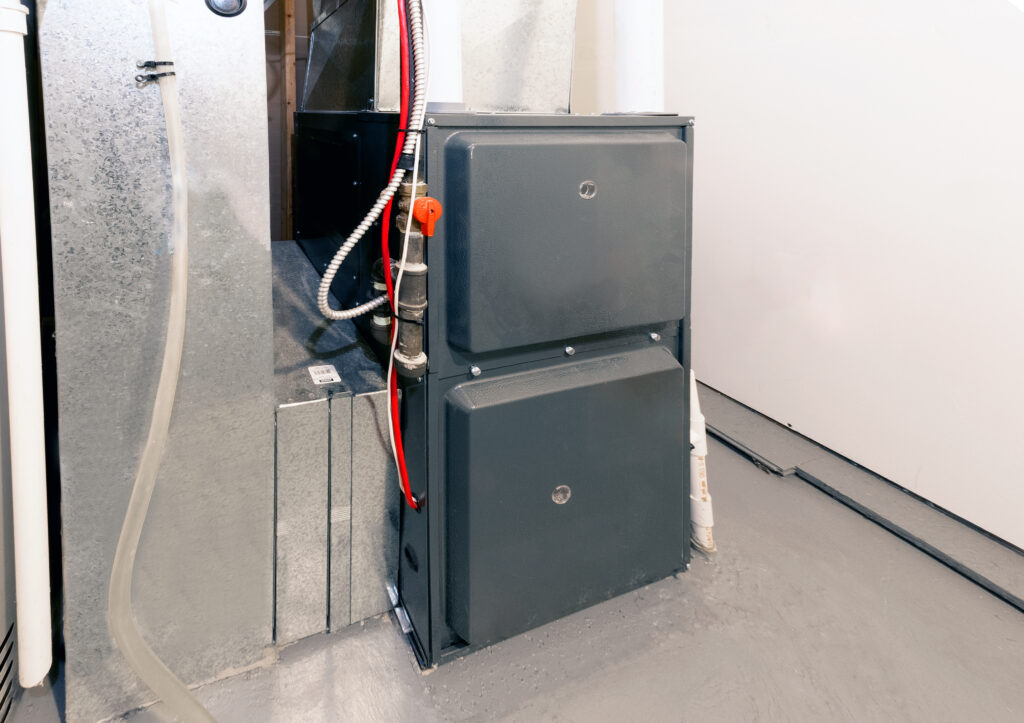
At the same time, your heating system is working harder than it does at any other time of year. Furnaces and heat pumps run longer cycles to maintain indoor comfort, which increases wear on components like burners, heat exchangers, blowers, and ignition systems. If a heating system fails during subzero weather, indoor temperatures can drop rapidly, dramatically increasing the risk of frozen plumbing within hours.
How Plumbing and HVAC Systems Are Connected
Many homeowners think of plumbing and HVAC as separate systems, but in winter, they are closely linked. Your heating system plays a critical role in protecting your pipes by keeping indoor temperatures above freezing. When heat circulates evenly throughout the home, it helps prevent cold spots where pipes can freeze.
Problems arise when heat distribution is uneven or interrupted. Rooms far from the furnace, areas above garages, or spaces with closed vents may not receive enough warm air. Pipes running through exterior walls or unconditioned spaces rely on residual heat from the home to stay above freezing. If airflow is restricted or the furnace shuts down, those pipes become vulnerable very quickly.
How to Prevent Frozen Pipes in Subzero Weather
Preventing frozen pipes starts with preparation before the coldest weather arrives. Here are a few ways you can prevent freezing pipes from causing problems in your home when subzero weather hits:
- Proper insulation: Exposed pipes in basements, crawl spaces, garages, and attics should be wrapped with pipe insulation or heat tape designed for plumbing use.
- Consistent temperatures: If certain rooms are colder than others, open interior doors to improve airflow and allow heat to reach vulnerable areas.
- Drip faucets: Letting faucets drip during sub-zero conditions can reduce pressure buildup inside pipes. A slow, steady drip keeps water moving, making it less likely to freeze.
- Seal gaps: Cold air entering through gaps around windows, doors, sill plates, or foundation penetrations can quickly freeze nearby pipes. Weatherstripping and caulking are inexpensive solutions that offer long-term benefits beyond winter protection.
If you plan to be away during extreme cold, take extra precautions. Never shut off the heat completely. Set the thermostat to a safe minimum temperature and consider shutting off the main water supply and draining the system if the home will be vacant for an extended period.
Protecting Your HVAC System During Subzero Temps
Your HVAC system is your first line of defense against winter damage. Below are a few steps homeowners can take to ensure their HVAC systems remain operational during freezing temperatures:
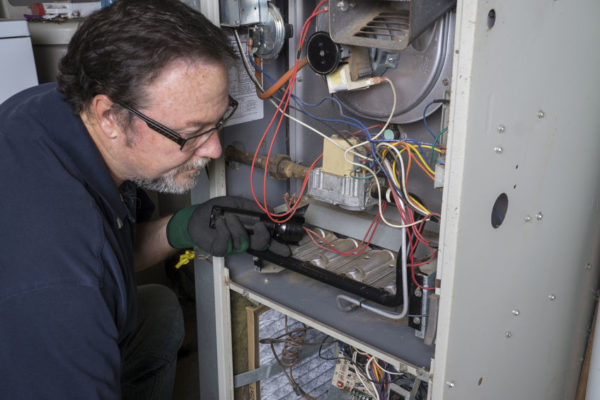
- Routine maintenance: A professional inspection ensures burners are clean, ignition systems are reliable, filters are replaced, and airflow is balanced throughout the home.
- Change air filters: A clogged filter restricts airflow, which can cause the furnace to overheat or shut down unexpectedly.
- Open vents: Closing vents in unused rooms may seem like a way to save energy, but it often creates pressure imbalances and cold spots that work against your heating system.
- Stay vigilant: Pay attention to warning signs like unusual noises, frequent cycling, or inconsistent temperatures. Addressing small problems early helps avoid breakdowns when you need heat the most.
For homes with heat pumps, ensure outdoor units are clear of snow and ice. Proper defrost cycles and adequate airflow are essential for reliable operation in freezing conditions.
Emergency Plumbing & Pipe Repair Services from Sal’s
Despite the best preparation, emergencies can still happen. If a pipe freezes or bursts, quick action is critical to limit damage. At Sal’s Heating and Cooling, we provide prompt emergency plumbing and pipe repair services to restore safety and comfort as quickly as possible.
Our team is trained to locate frozen sections, safely thaw pipes, and repair or replace damaged plumbing. We also assess the underlying cause to help prevent repeat issues. When heating problems contribute to frozen pipes, we address both systems together so your home is fully protected.
Stay Ahead of Winter Damage Before It Starts
The most effective way to protect your home during sub-zero temperatures is proactive planning. Scheduling heating maintenance, insulating vulnerable plumbing, and sealing air leaks can save you from major repairs and unexpected disruptions. At Sal’s Heating and Cooling, we help homeowners prepare for winter with comprehensive inspections and honest recommendations.
Frequently Asked Questions
At what temperature do pipes usually freeze?
Pipes are at risk of freezing when temperatures drop below 32 degrees Fahrenheit, but the danger increases significantly when temperatures fall below 20 degrees. Subzero conditions can cause pipes to freeze in a matter of hours, especially if they are poorly insulated or located near exterior walls.
Should I turn off my water if temperatures drop below zero?
If you are staying in the home, it is usually better to keep the water on and allow faucets to drip slightly. If you will be away for an extended period during extreme cold, shutting off the main water supply and draining the pipes can reduce the risk of severe damage.
Can frozen pipes thaw on their own safely?
Frozen pipes may thaw on their own as temperatures rise, but this can be risky. Thawing increases pressure at the blockage, which is when pipes are most likely to burst. Controlled thawing by a professional is the safest option.
What should I do if my furnace stops working in extreme cold?
If your furnace stops working, first check the thermostat and circuit breaker. If the issue is not obvious, contact a professional immediately. Without heat, pipes can freeze quickly in subzero weather, so fast service is essential to protect your home.