
Furnace vs. Heat Pump: Which Is Better for Ohio Homes?
Choosing the right heating system is one of the most important comfort decisions Ohio homeowners can make. Winters here are unpredictable, with stretches of mild temperatures followed by sudden cold snaps, heavy snowfall, and bitter wind chills. At Sal’s Heating and Cooling, we are often asked whether a traditional furnace or a modern heat pump is the better choice for Ohio homes. The answer depends on several factors, including home layout, energy goals, comfort expectations, and long-term costs.
Looking to install a heat pump in your Cleveland home? Contact Sal’s for expert heat pump installation and replacement in North Royalton & Cleveland!
How Furnaces Work in Ohio Winters
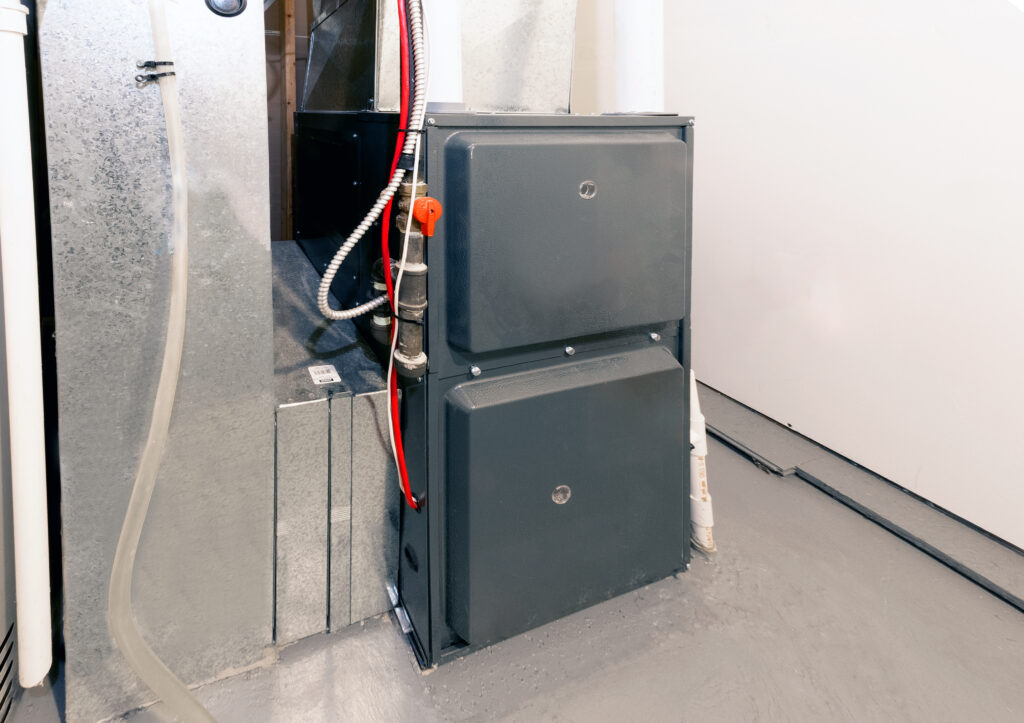
Furnaces have long been the most common heating system in Ohio, and for good reason. A furnace generates heat by burning fuel such as natural gas or propane, or by using electric resistance elements. That heat is transferred to the air and distributed throughout the home using ductwork and a blower.
In cold climates like Ohio, furnaces excel because they produce heat independently of outdoor temperatures. Whether it is 25 degrees or 10 degrees below zero, a properly functioning furnace can deliver consistently warm air. This makes furnaces especially effective during extreme cold spells, which are still a regular part of Ohio winters.
How Heat Pumps Perform in Ohio
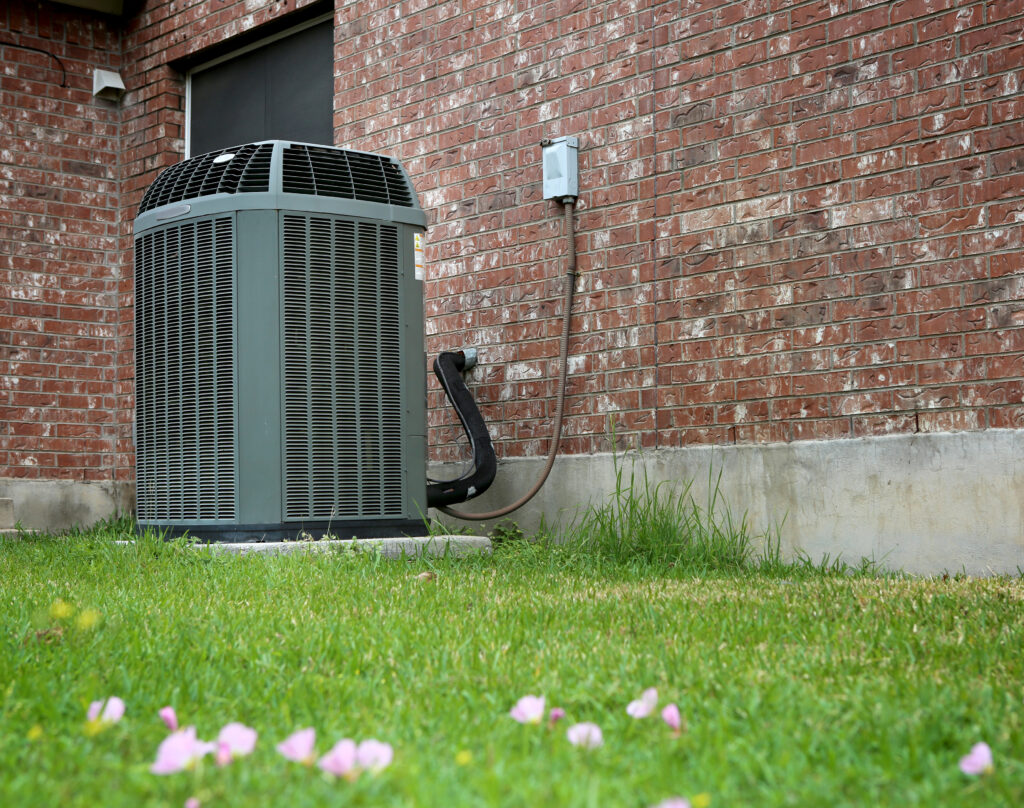
Heat pumps work very differently from furnaces. Instead of creating heat, they move heat from one place to another. In winter, a heat pump pulls heat from the outdoor air and transfers it inside. In summer, the process reverses, allowing the system to cool the home just like an air conditioner.
Historically, heat pumps were seen as better suited for milder climates. However, modern cold-climate heat pumps have changed that perception. Advances in compressor technology and refrigerants now allow many heat pumps to operate efficiently at much lower outdoor temperatures than older models.
In Ohio, heat pumps can handle a large portion of the heating season efficiently, especially during fall, early winter, and milder winter days. They provide steady, even warmth rather than bursts of hot air. Many homeowners find this type of comfort more consistent and less drying than furnace heat.
One key consideration is that heat pumps lose efficiency as outdoor temperatures drop. While newer models perform better in cold weather, they may still rely on supplemental heat during extended subfreezing periods. This backup heat is often electric resistance heating, which can increase energy use during the coldest days of the year.
Comparing Furnaces and Heat Pumps
Energy Efficiency and Operating Costs
Heat pumps are among the most energy-efficient heating systems available because they move heat rather than generate it. During moderate winter temperatures, they can use significantly less energy than a furnace. This can lead to lower utility bills, especially when electricity rates are favorable.
Furnaces, particularly high-efficiency gas models, can also be cost-effective to operate in Ohio. Natural gas prices are often lower than electricity on a per-unit basis, which helps offset the lower efficiency ratings compared to heat pumps. During very cold weather, furnaces often maintain more predictable operating costs since their performance is not affected by outdoor temperature.
Overall operating costs depend on energy prices, system efficiency, and how often extreme cold occurs in your area.
Comfort and Temperature Control
Furnaces deliver hot air quickly, which makes them feel powerful and responsive. This can be especially comforting during Ohio cold snaps. However, the bursts of hot air can also create temperature swings if the system is oversized or poorly balanced.
Heat pumps provide more gradual and consistent heating. They run longer cycles at lower output, which helps maintain even temperatures throughout the home. This can reduce hot and cold spots and improve overall comfort.
Humidity control also differs. Furnaces can dry out indoor air in winter, often requiring humidifiers. Heat pumps tend to maintain more balanced indoor humidity levels.
Cold-Weather Performance
Cold weather performance is one of the biggest differences between the two systems. Furnaces are largely unaffected by outdoor temperatures. As long as fuel and electricity are available, they continue producing heat reliably.
Heat pumps perform best in mild to moderately cold conditions. While cold climate models can operate at much lower temperatures than before, efficiency declines as temperatures fall. During extended periods of extreme cold, supplemental heating is often needed to maintain comfort.
For Ohio homeowners, this means heat pumps can handle most winter days efficiently, but furnaces still have an edge during prolonged subzero weather.
Installation and Upfront Costs
Installation costs vary depending on the home and system type. Furnaces typically have lower upfront costs, especially in homes with existing ductwork and gas lines. Replacing an older furnace with a new one is often a straightforward process.
Heat pumps can have higher initial costs, particularly if electrical upgrades are needed or if the home does not already have suitable ductwork. However, incentives and rebates can help offset these costs, and the system also provides cooling, which can reduce the need for a separate air conditioner.
Long-term value should be considered alongside upfront pricing, especially when evaluating energy savings and system lifespan.
Which System Is Right for Your Ohio Home?
There is no universal answer for every home. The right choice depends on several factors, including home size, insulation quality, existing infrastructure, and personal comfort preferences.
Homes with access to natural gas and a history of cold winter reliance often benefit from the reliability and strong heat output of a furnace. This is especially true for older homes or those with higher heating demands.
Heat pumps are an excellent option for homeowners looking for high efficiency, all-in-one heating and cooling, and reduced reliance on fossil fuels. Well-insulated homes and those undergoing energy upgrades are particularly good candidates.
Some Ohio homeowners choose a hybrid approach, combining a heat pump with a furnace. This setup allows the heat pump to handle milder temperatures efficiently while the furnace takes over during extreme cold. This provides flexibility, comfort, and energy savings throughout the year.
Not sure if a heat pump is right for your home? The HVAC technicians at Sal’s can evaluate your home and current HVAC system and recommend the best system for your Ohio home! Call today!
Get Expert Help Choosing the Right Heating System with Sal’s
At Sal’s Heating and Cooling, we believe the best heating system is the one that fits your home and your needs, not just the latest trend. Our team takes the time to evaluate your home, discuss your comfort goals, and explain your options clearly.
We consider factors like insulation, ductwork, energy costs, and local weather patterns before making recommendations. Whether you are replacing an aging furnace, exploring heat pump options, or considering a hybrid system, we help you make an informed decision with confidence.
A properly sized and installed system makes all the difference in performance, comfort, and long-term reliability. Our goal is to ensure your home stays comfortable through every Ohio winter.
Frequently Asked Questions
Are heat pumps reliable during Ohio winters?
Yes, modern heat pumps can be reliable in Ohio, especially cold-climate models. They perform very well during mild and moderately cold weather. During extreme cold, supplemental heat is often used to maintain comfort.
Is a furnace cheaper to run than a heat pump in Ohio?
It depends on energy prices and weather conditions. Heat pumps are often cheaper to operate during mild winter temperatures, while gas furnaces can be more cost-effective during prolonged cold spells.
Can I switch from a furnace to a heat pump?
In many cases, yes. Switching may require electrical upgrades or duct modifications. A professional evaluation is the best way to determine feasibility and cost.
How long do furnaces and heat pumps typically last?
Furnaces typically last 15 to 20 years with proper maintenance. Heat pumps generally last 12 to 15 years. Regular service plays a major role in maximizing system lifespan.