
Why Is My Furnace Making a Loud Noise?
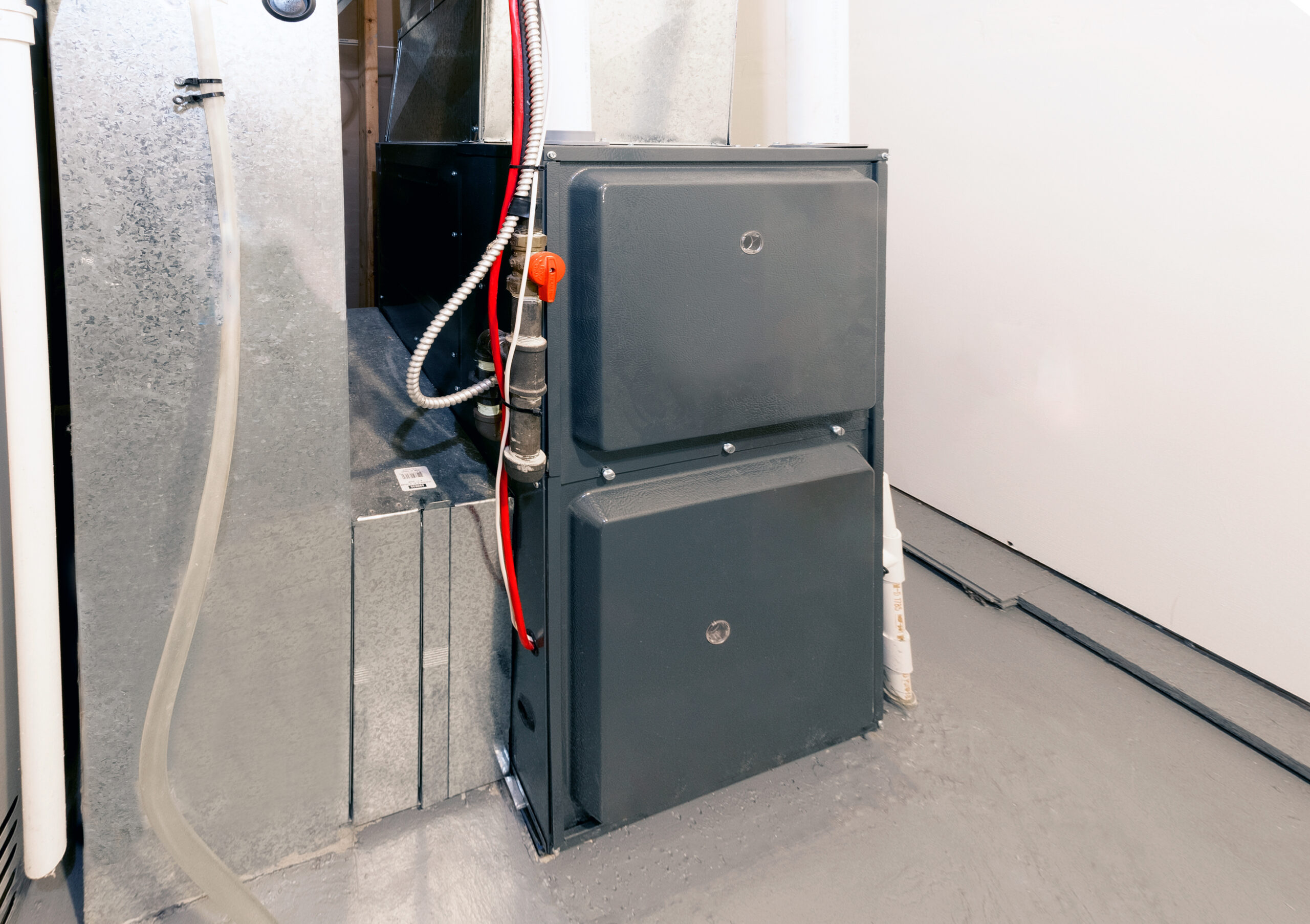
If your furnace making loud noise has suddenly become part of your winter routine, it’s important not to ignore it. Strange sounds often signal that a heating system needs attention, particularly when they happen repeatedly or begin without warning during startup.
Homeowners from Columbus and Dayton to Covington, Florence, and Lawrenceburg depend on reliable heat through cold Midwest winters. Banging, popping, rattling, scraping, or screeching sounds can point to several different concerns.
These range from minor airflow issues to more serious mechanical problems that require furnace repair. Sal’s Heating & Cooling, Plumbing & Sewer is here to explain what may be causing those sounds and what steps you should take to protect your equipment.
A Delayed Ignition Can Cause a Loud Bang
A furnace banging noise is often linked to delayed ignition. This occurs when gas collects briefly before the burners light. When ignition finally happens, the built-up gas can create a small boom that echoes through the cabinet.
Because this issue involves gas combustion and ignition components, heating repairs should always be left to trained technicians.
Signs delayed ignition may be the cause include:
- A loud bang shortly after the heating cycle starts
- A noticeable pause between startup and burner ignition
- Repeated booming sounds during multiple heating cycles
- Uneven burner operation or delayed flame appearance
Expanding Ductwork Can Make Popping or Banging Sounds
Metal duct systems naturally expand as heated air moves through them and contract after the cycle ends. That movement can create popping or banging sounds coming from:
- Ceilings
- Walls
- Utility spaces
In many cases, mild popping is completely normal and doesn’t indicate a malfunction. However, unusually forceful sounds could suggest airflow restrictions or duct sizing concerns that deserve further evaluation.
A Dirty Air Filter Can Make the Furnace Work Too Hard
A clogged filter restricts airflow and forces equipment to work harder than necessary. Reduced circulation can increase pressure inside the ductwork, contribute to overheating, and even create some loud furnace sounds throughout the home.
You can usually replace the filter yourself. If the sound continues afterward, professional service is recommended.
To inspect and replace a filter:
- Locate it near the return duct, blower compartment, or filter cabinet
- Turn off the unit before removing the old filter
- Check the airflow arrow and install the replacement correctly
- Restore power and monitor performance during the next cycle
Loose Panels or Parts Can Rattle During Operation
Over time, vibration can loosen certain components. Even a small amount of movement may create rattling noises while the equipment runs.
Homeowners can check that the exterior access panel is secure, but internal concerns should be addressed by a technician before damage spreads.
Common rattling sources are:
- Loose access panels
- Missing or loosened screws
- Blower assembly components
- Mounting brackets
- Internal hardware affected by vibration
A Blower Motor Problem Can Cause Screeching or Grinding
High-pitched squealing, grinding, and screeching often point to a blower motor issue. When these sounds appear, it’s generally best to shut the system off and arrange service before additional damage develops.
Potential causes include:
- Worn motor bearings
- Belt-related concerns on older units
- Failing motor components
- Misaligned moving parts
- Increased friction within the blower assembly
If these conditions continue unchecked, complete motor failure may eventually occur.
A Cracked Heat Exchanger Can Create Serious Safety Concerns
Some heating issues involve excessive heat stress within the system. In certain situations, a damaged heat exchanger may contribute to abnormal sounds while creating significant safety concerns.
Look for warning signs like:
- Unusual operation noises
- Burning odors
- Soot accumulation around equipment
- Short cycling
- Frequent headaches among occupants
- Carbon monoxide alarm activation
Because of the potential risks involved, immediate inspection is important whenever these symptoms appear.
A Scraping Sound May Mean Something Is Hitting the Blower Wheel
Scraping noises often indicate metal-on-metal contact somewhere within the blower assembly. A loose blower wheel, damaged component, or misalignment may allow parts to rub together during operation.
This is generally a stop-and-call situation. Continued operation can increase wear and result in more extensive repairs than would otherwise be necessary.
What Can Homeowners Safely Check First?
While you shouldn’t disassemble internal components or adjust gas-related parts, there are a few safe inspections worth performing before scheduling service.
You can:
- Replace the air filter
- Verify supply and return vents are open
- Remove furniture or objects blocking airflow
- Confirm thermostat settings are correct
- Check that the furnace access panel is properly secured
If the sound remains after these basic checks, professional diagnosis is the safest next step.
When Should You Call for Furnace Repair?
Not every sound requires urgent attention, but some noises shouldn’t be ignored. Persistent or severe operation sounds often indicate a problem that needs professional evaluation.
Call for service if you notice:
- Loud or sudden noise development
- Recurring sounds during every heating cycle
- Reduced heating performance
- Banging, grinding, scraping, or screeching noises
- Burning odors accompanying operation
- Frequent equipment shutdowns
Get Loud Furnace Noises Checked Before They Get Worse
A noisy furnace rarely becomes quieter on its own. If unusual sounds are becoming more frequent or appear alongside heating problems, professional attention can help prevent larger issues and restore dependable operation.
Sal’s Heating & Cooling, Plumbing & Sewer has delivered no-nonsense service since 1975. Our clients have access to 24/7 emergency service and valuable coupons to help get them the services they need.
Our Seasonal Clean & Check maintenance plan is designed to help equipment operate more efficiently throughout the year. Backed by decades of experience and a commitment to practical solutions, our team works hard to keep families comfortable across Ohio, Northern Kentucky, and Southern Indiana, including communities near the Ohio Statehouse, Newport on the Levee, and Lawrenceburg.
Don’t wait for a minor sound to turn into a major breakdown. Contact us today to schedule expert service and keep your house comfortable all season long.