
Why Does My Sump Pump Run So Often During Spring Rains?
One day it’s sunny. The next, Ohio gets heavy rain and a basement that suddenly feels damp.
That’s when many homeowners start hearing the sump pump run repeatedly.
During spring, it’s normal for your sump pump to run more because rain, melting snow, and wet ground send extra water toward your foundation. But if it never seems to stop, runs every few minutes, or turns on when it hasn’t rained much, it could be a sign that something’s wrong.
Why Spring Makes Your Sump Pump Work Harder
By spring, Ohio’s ground is already soaked from melting snow and thawing soil. When more rain falls, that water moves toward your foundation, collects in the sump pit, and turns the sump pump on.
That means your sump pump may run more often if:
- You’ve had several days of rain
- Snow is still melting after winter
- Your yard stays soggy after a storm
- Your home sits at the bottom of a hill
- You have clay soil, which holds water longer
- Your home has an older basement or foundation
When It’s Normal for a Sump Pump to Run a Lot
After a big storm, it’s normal to hear your sump pump kick on every few minutes. It may even keep running for a day or two after the rain stops because the ground around your home is still soaked.
That can sound alarming if you’re not used to it. But if the pump turns on, moves water out, and then shuts back off, it’s probably doing exactly what it should.
A sump pump that’s working normally will:
- Turn on when the pit fills with water
- Run long enough to lower the water level
- Shut off for a while before turning on again
You might notice it runs more at night or early in the morning when the ground is still damp and cool.
The problem starts when the pump runs almost nonstop or keeps short-cycling.
Why Your Sump Pump Might Be Running Too Often
If your sump pump suddenly seems busier than usual, there may be more going on than just spring rain.
The Float Is Stuck
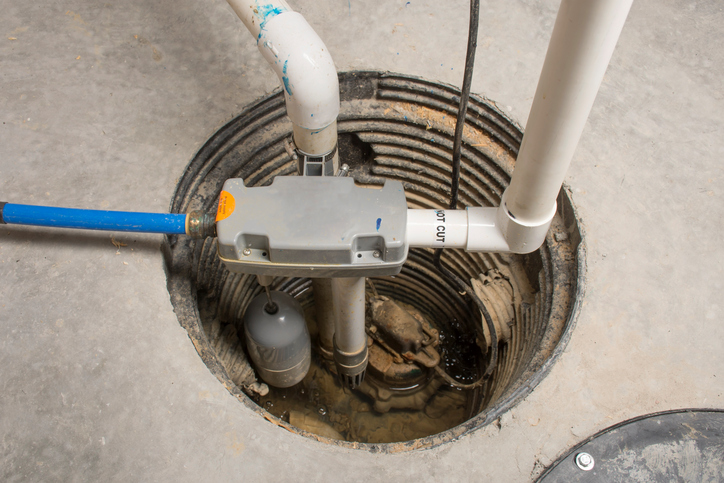
Inside the sump pit is a float. It rises when the water level goes up and tells the pump when to turn on.
If the float gets stuck against the side of the pit or tangled in dirt or debris, the pump may keep turning on even when the water level is low.
Sometimes the fix is simple. Other times, the float or switch may need to be replaced.
The Check Valve Isn’t Working
The check valve keeps water from flowing backward into the sump pit after the pump shuts off.
If that valve wears out, the water you just pumped out can flow right back into the pit. Then the pump turns on again a few seconds later.
That can make it seem like the sump pump is running nonstop, even though it’s moving the same water repeatedly.
The Discharge Line Is Blocked
The discharge line is the pipe that carries water outside.
If that pipe is clogged with mud, leaves, or debris, the water can’t get out. Early spring can also bring cold nights that freeze water inside the pipe.
When that happens, the sump pump may keep running, but the water level in the pit doesn’t go down.
You may hear the pump running without seeing any water coming out of the line outside.
The Pump Is Too Small
Not every sump pump is strong enough for every home.
If your pump is too small for the amount of water around your foundation, it may have to run constantly to keep up.
This often happens in older Ohio homes, homes with larger basements, or homes where the yard doesn’t drain well.
Water Is Draining Back Toward the House
Sometimes the sump pump is fine, but too much water is collecting around your foundation.
Clogged gutters, short downspouts, or low spots in the yard can send rainwater back toward your home, forcing the sump pump to keep removing the same water.
If your sump pump runs more after every storm, check for:
- Gutters overflowing
- Downspouts too close to the house
- Water pooling near the foundation
- Wet spots that stay soggy for days
Fixing those drainage problems can help your sump pump run less often.
How to Keep Your Sump Pump Ready for Spring
The best time to deal with a sump pump problem is before the next heavy rain.
A few simple checks can help you catch small problems before they turn into a flooded basement.
Test the Pump
Pour a bucket of water into the sump pit.
The float should rise, the pump should turn on, and the water should drain out quickly.
If nothing happens, or if the pump sounds weak or slow, there may be a problem.
Clean Out the Pit
Over time, dirt, gravel, and small bits of debris can build up inside the pit.
That buildup can block the float or make the pump work harder than it should.
Cleaning the pit once or twice a year can help keep everything moving.
Check the Outside Pipe
Go outside and look at the discharge line. Make sure it isn’t blocked and that it’s carrying water away from the house.
The water should drain several feet away from your foundation so it doesn’t come right back.
Think About a Backup Pump
Spring storms can knock out the power. Unfortunately, that’s often when you need your sump pump the most.
A battery backup sump pump can keep working even if the lights go out.
That extra protection can make a big difference during a strong Ohio storm.
When It’s Time to Call a Professional
If your sump pump is running all the time, making strange noises, or not keeping up with the rain, don’t wait too long to have it checked.
Call a professional if:
- The pump runs even when it hasn’t rained
- The pit stays full of water
- The pump turns on every few seconds
- You hear grinding, rattling, or loud humming
- Your basement feels damp or smells musty
- The sump pump is more than 7 to 10 years old
Get Help Before the Next Storm
If your sump pump seems to be running nonstop this spring, it’s better to check it now instead of waiting for the next heavy rain.
At Sal’s Heating & Cooling, Plumbing & Sewer, we help Ohio homeowners figure out why their sump pumps are cycling so often and what it takes to keep them working the way they should. Whether the problem is a stuck float, a clogged line, or too much water around the foundation, our team can find the cause and help protect your basement before the next storm rolls in.
Contact Sal’s Heating & Cooling, Plumbing & Sewer today to schedule sump pump service and keep your basement protected this spring.