
Is It Normal for Your Basement to Smell Like Sewage in Early Spring?
As the Ohio winter fades and early spring settles in, many homeowners notice unfamiliar odors drifting through their basements. It can be unsettling to catch a whiff of something that resembles sewage, especially when you’re not sure whether it signals a harmless seasonal shift or a developing plumbing concern. While some smells appear briefly and disappear on their own, others point to issues that deserve attention.
Sal’s Heating and Cooling, Inc. is here to help you understand why these odors show up during the transition into spring, what is considered normal, what may indicate a larger problem, and what steps you can take to address the situation. Our goal is to help you feel more confident about identifying the source and knowing when it’s time to reach out for help.
Why Basements Smell Like Sewage in Early Spring
Early spring brings a mix of melting snow, thawing soil, and increased moisture. These conditions create several opportunities for unusual smells to rise into your basement. Although the odor can be unpleasant, understanding the possible causes helps you decide whether it’s a short-lived nuisance or something that needs a closer look.
Thawing Ground and Melting Snow
When the ground begins to soften after months of freezing temperatures, moisture starts moving through soil that was previously compacted. As this shift happens, gases that were trapped underground may escape through weak points in your plumbing system or floor drains. This type of odor is usually temporary, but it’s still worth paying attention to in case it lingers longer than expected.
Rising Water Tables
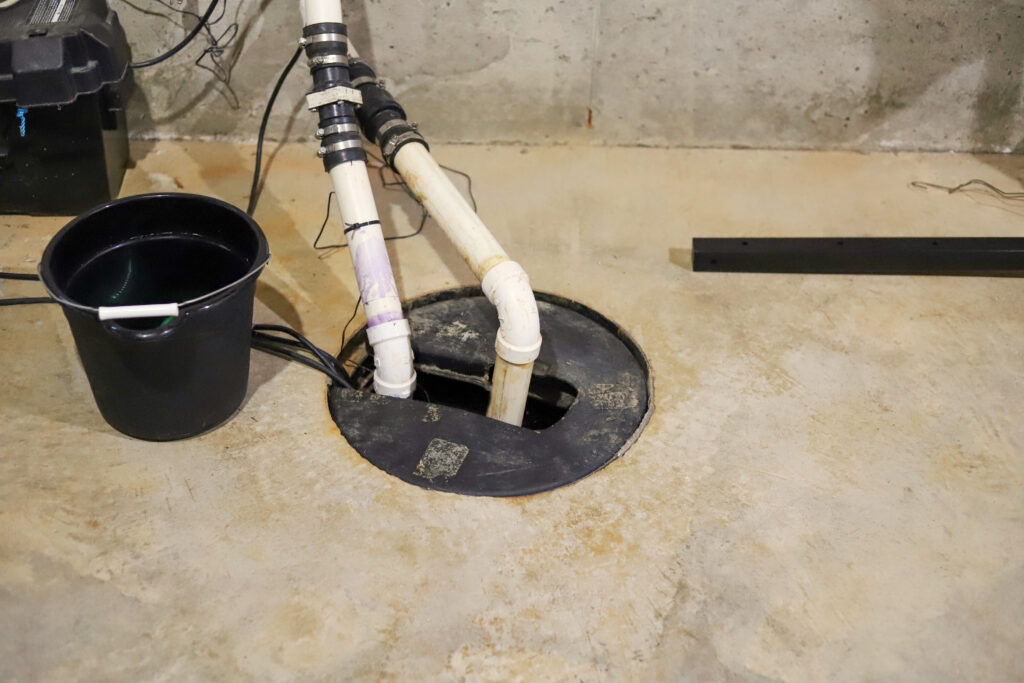
Spring rain and melting snow often raise groundwater levels. As the water table climbs, pressure increases around drain lines, sump pits, and floor drains. This pressure can push sewer gases upward, allowing them to seep into your basement. If the smell fades once the weather dries out, it’s likely tied to these seasonal changes.
Plumbing Vent Issues
Your plumbing system relies on vents to release gases outdoors. During early spring, vents can become partially blocked by leftover ice, debris, or even small animals seeking shelter. When these vents cannot function properly, gases may travel back into your home instead of escaping outside. This type of blockage can cause odors that persist until the vent is cleared.
When the Smell Is Harmless vs. a Sign of a Bigger Problem
Not every sewage-like odor means something is wrong. Some smells are simply a result of changing weather patterns. Others, however, point to plumbing concerns that should not be ignored.
Normal, Short-Term Odors
Short-lived smells often appear after heavy rain or a rapid thaw. If the odor fades once drains are flushed or the ground dries, it’s usually nothing to worry about. These brief episodes are common during early spring and often resolve without intervention.
Red Flags That Point to a Plumbing Problem
Certain signs suggest the odor is more than a seasonal inconvenience. If you notice a persistent sewage smell that doesn’t fade, it may indicate a deeper issue. Odors that come from a specific drain, gurgling noises, slow drainage, or visible moisture around fixtures are all signals that something may be wrong. A dry drain trap can also allow gases to rise into your basement, especially if a drain has not been used for a while. Any indication of a vent problem should also be taken seriously, since blocked vents can affect the entire plumbing system.
How to Identify the Source of the Smell
You can perform several simple checks without tools or disassembling anything. These steps help you narrow down where the odor is coming from and whether it is something you can address on your own.
Start by checking your floor drains to make sure there’s water in the trap. If the trap is dry, gases can move freely into your basement. Next, look around your sump pump or pit to see if the lid is sealed properly or if there are any gaps. Pay attention to whether the smell is stronger near a bathroom, laundry area, or utility sink, since these locations often reveal the source. It also helps to consider recent weather patterns. Heavy rain, quick thaws, or strong winds can influence how your plumbing system behaves.
What You Can Do to Fix or Reduce the Odor
There are several practical steps you can take to reduce or eliminate the smell. These actions are safe for homeowners and don’t require specialized equipment.
Simple Homeowner Fixes
One of the easiest ways to address the odor is to pour a few cups of water into any unused drains. This refills the trap and restores the barrier that prevents gases from rising. You can also check that your sump pump lid is sealed correctly, since even small gaps can allow odors to escape. Running water in basement fixtures helps restore water seals that may have evaporated during the winter. If you suspect organic buildup in a drain, using a mild cleaning solution can help clear it out and reduce lingering smells.
When It’s Time to Call a Professional
If the odor lasts more than a day or two, it’s a good idea to reach out to a professional. Persistent smells may indicate a sewer line concern or another issue that requires expert attention. You should also call for help if you notice backups, standing water, or repeated gurgling. If you cannot locate the source and want a no-nonsense inspection, a trained technician can pinpoint the cause quickly.
How to Prevent Sewage Smells Next Spring
A few simple habits can help you avoid these odors in the future. Keeping basement drains active throughout the year prevents traps from drying out. Scheduling a Seasonal Clean and Check before winter ensures your plumbing system is ready for colder weather. Make sure sump pump lids and seals remain intact, since loose covers can allow gases to escape. Clearing debris from plumbing vents helps maintain proper airflow. Staying alert to early signs of moisture or slow drainage gives you a chance to address issues before they become more serious.
Why Choose Sal’s Heating and Cooling, Inc.
Early spring sewage smells are common, but that doesn’t mean you should ignore them. Simple checks often resolve the issue, but if the odor continues, Sal’s Heating and Cooling, Inc. is ready to help you find the cause and restore comfort in your home. Our no-nonsense service since 1975 reflects a long history of dependable support. You can rely on our 24/7 availability whenever something unexpected comes up. We also offer rolling coupons throughout the year to help you save on select services. And with our commitment to quality, you can feel confident that your home is in capable hands.
If you want a fast way to restore comfort and peace of mind, our team is ready to help you solve the problem. Reach out today for expert support.